

Since When Did Everyone Become a Journalist?
Navigating fake news, algorithms, and the age of know-it-alls

Have you ever gone onto your social media feed and thought, “wow, absolutely everyone is arguing in the comments and is an expert on that issue all of a sudden?”
I’ve never seen so many people become doctors or politicians overnight and if you’re one of these people who don’t read comments online, you’ve got way more self-control than nosey little me. Sometimes I enjoy the drama there, and sometimes I ask curious questions that get me different perspectives which I love. It’s in my DNA.
Me:
Also me:
Before diving in, I want to give some context about myself and how I approach information online. I’m fascinated by psychology and have a background in Communications, and one thing that has really stuck with me is how citizen journalism can shape public opinion, for better or worse. I’d say I’m centre-left leaning and care deeply about human rights and I read the news with a critical eye for influence, framing, and bias… and maybe a little ADD-fuelled curiosity.
So what’s the problem?
More platforms and freedom of speech mean more voices, sometimes ones you’d rather not hear from, and sometimes from people you admire who decide to speak up. That is exciting, but it also means more noise, misinformation, and echo chambers. Algorithms know your views and biases. They will keep feeding you content that reinforces them unless you actively intervene.
This is how tight-knit groups form. Everyone thinks they know everything. People are drawn to drama and emotionally charged posts, so sensational or shocking content gets amplified.
One example is the NYC mayoral race. Following it from afar, I have never seen so much content that made me feel genuinely sad, especially as someone with Muslim friends. A report by Equality Labs found that approximately 1.15 million Islamophobic posts and 1.43 million posts mislabeling candidate Mamdani as a communist. One post can mislead, inflame, or normalise harmful ideas, and that is only a fraction of what is online.
Seeing numbers like that and the real human impact behind them makes one thing clear. It is not JUST about bad actors or algorithms, it’s about our trust being fractured.
According to Statista, trust in mainstream media in the United States has dropped to 30% in 2025, down from 68-72% in the 1970s!
Here’s the latest statistics on % of people who trust mainstream media by Statista.
When misinformation spreads so widely, how can anyone know what is true? How can we form a shared understanding of reality when each platform tells a slightly different story?
For example, I saw a street interview where someone claimed that in California you can “abort” a baby four weeks after birth, calling it a “post-birth abortion.” The man was 100 percent certain, could not reference where he saw it, and insisted it is “all over the media,” which he said was why abortion should be illegal. Mind-blowing, right? The crazy part was that there was no way to change his mind. We can hope that this type of misinformation doesn’t spread, but sadly, it does because it could reaffirm people’s religious biases.
Why We Struggle to Trust
What Builds Trust
We tend to trust information when it demonstrates transparency, credibility, consistency, evidence, relatability, social proof, and alignment with our values. The moment I started comparing headlines and noticed how small wording can manipulate perception on serious issues, I began questioning every single media source I encountered.
Navigating sources
Both traditional media and citizen journalism are necessary, but navigating them is tricky. You cannot rely on a single source, even if it aligns with your beliefs. Reading widely, questioning assumptions, and noticing emotional reactions are essential skills. Often, your gut reaction reflects bias more than facts.
Even with multiple sources, human psychology complicates things. Confirmation bias, emotional reactions, and the appeal of sensationalism make it easy to misinterpret or share misleading information. Reading critically requires slowing down and reflecting on what your reactions actually mean.
The Takeaway
Truth is rarely simple, and consensus does not happen automatically.
Each of us must actively piece together what is real instead of passively consuming whatever appears in our feed.
Tools and Strategies for the Overwhelmed
Here’s the helpful part, thanks for patiently reading. If you’ve made it this far, thank you for your attention!
So how do we survive in this sea of voices without losing our minds? Here are a few things I do:
1. Cross-check sources
Look at multiple sources, including traditional media, citizen journalism, and international outlets. Compare coverage from right, left, and center. If you are unsure where to start, use tools like ChatGPT to search or Newscord. This app reviews multiple news sources on topics, summarises coverage, and flags sensationalism. Their Instagram also breaks down journalistic standards and shows when outlets water down the extremities of certain stories.
I also look at human rights organisations such as Save the Children, UNICEF, Amnesty International, and Doctors Without Borders.
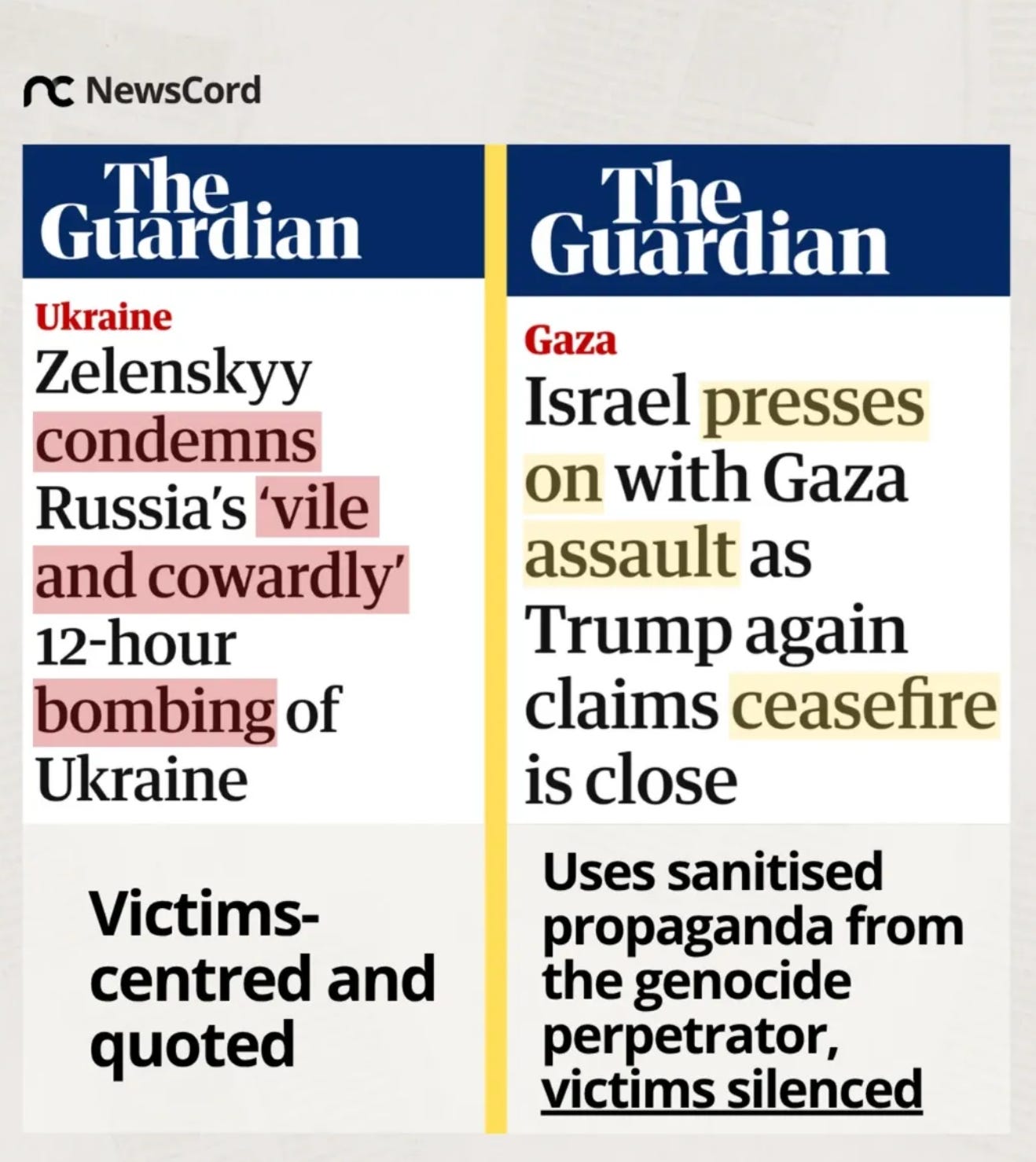
2. Consider context
Ask yourself who benefits from a narrative, what perspectives are missing, and why a story speaks to you. Look at funding sources, political connections, or any foreign influence. Are claims based on primary sources, or are they repeating another report?
If a list of questions would be helpful for yourself or your teen, please vote below:
3. Mind algorithms
Social media feeds are designed to engage you, not inform you. Pause before liking or sharing, if you do then consider the broader audience you’re pushing the post to, including friends, family, and children.
4. Use tech wisely
Apps like Newscord summarise coverage across multiple sources, highlight sensationalism, and help identify what is factual. Know also when to put your phone down.
Final Thoughts
In a world where everyone is a reporter, the responsibility falls on each of us. Pause, question, and seek the truth yourself. Read widely, engage thoughtfully, and accept that uncertainty is okay.
The collapse of global consensus is not just a news headline. It is a challenge for every individual trying to figure out what is real. Understanding this is the first step toward a healthier information landscape.
If you’re overwhelmed by the news, or love to get perspective the same way I do, please comment and let me know.